
Kirkheaton Labour Club
Was formed in 1914 at New Road, Kirkheaton next to Stocks’ motor garage. “What 3 words” location-[flood.clean.laser].
In 1927 the president was Edward Berry; his death being reported that year in the Yorkshire Post and Leeds Intelligenser.
For many years it was a venue for village events as well as being a social club and was known in the wider area for hosting poultry club shows. Due to its construction it gradually deteriorated and was demolished in the early 1960’s. (Some locals said that it fell down!). The following newspaper report gives a good insight into the clubs origins.
APRIL 16, 1914. Kirkheaton Labour Club- How a Canteen Was Converted.
Kirkheaton is a small country village in the Holmfirth Division of Yorkshire. Four years ago the I.L.P. members met in such a room as commonly has to serve where members are few and wages are low. A comrade, however, reported that a practically new, ” bargain ” building was for sale at £80, and an informal club deputation walked several miles to inspect a large wood and corrugated iron structure, which had been intended to accommodate navvies during their thirsty moments. The structure measured 42 by 30 ft, and much better in appearance than similar buildings usually are. All opinions were favourable to the purchase but the owner demanded cash, while pulling down, transport, and re-erection were weighty projects for thirty members without capital. But they raised the £5 deposit and closed the bargain, little knowing where the rest of the money was going to come from. Eventually an outside sympathiser lent them the purchase price. They rented ground at, 30s.per year, and had a brick foundation laid at a cost of £l0. Removal and re-erection cost £55, the members contributing to the share fund from £1 to £l0, according to means. All the spare time of all the members was spent in digging, making paths, gates, etc., etc. Water and gas were laid on, the latter being eventually displaced for heating by coke and for lighting by electricity. A Trade Union meeting was held in the room before it was quite completed and it, has often been let for social purposes, while musical members by the gift of their time and talents added to the gaiety of the village and reduced the debt on the enterprise. The women folk did great ser ice by sewing and organising successful socials. At the end of the first year the members and friends were well pleased with their efforts, but they set out for a bazaar to speed up the debt reduction, and again the women folk made the pace. A profit of £l00 was realised, and then they disposed of the fragments for another £2O. All the loans over £3 were thus paid off, and, for having repaid interest and principal within about half the time limit, a bonus was gained on the chief sum. The club is run on temperance lines, and the land-lording caretaking, cleaning etc; are done as labours of love for comrades, club, and cause. In four years this small band of members has raised £455. Their liabilities are £51 (chiefly small loans from individual members), and they have assets valued at £250. Despite the building’s first dedication to Lord Nelson, Militarism, and Beer, it most faithfully serves Socialism and Peace. It was later sarcastically dubbed “the rubbing-board club,” on account of its roofing materials but it has such a good outside appearance and is so cosy inside that the title of contempt could not stick. It is a credit to the picturesque little village from every point of view and the members are greatly attached to it and each other, chiefly because they have all had a very real share in its development and they have proved to themselves and the village in general that “36 nobodies” count very heavily when they all pull together.
Transcribed from “The Labour Leader 16th April 1914” Courtesy of “The British Newspaper Archive”
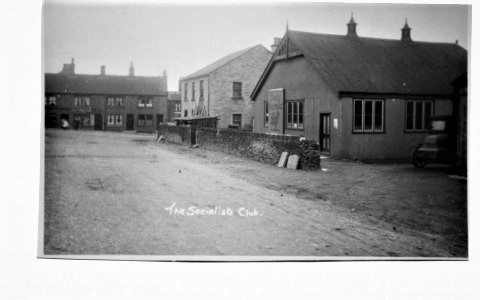
Kirkheaton Socialist club
Tags for this article:
Recent Archive Posts
Percival Senior
Photo from centenary poster 1934-courtesy David Senior Percival Senior was born at Dewsbury in 1813 but later moved to...
Kirkheaton’s First Telephone
Alexander Graham Bell, the inventor of the telephone, made the first telephone call in March 1876 to his assistant Thomas...
Charles Brooke-diarist
Charles Brooke was born 20th March 1752 and baptized 22nd April 1752 at Huddersfield St Peter the son of Mr John Brooke of Colne...
Joshua Beaumont hung at York in 1810
Joshua Beaumont was born into a poor family in Kirkheaton in 1787. It would seem his parents found life a struggle and could not...
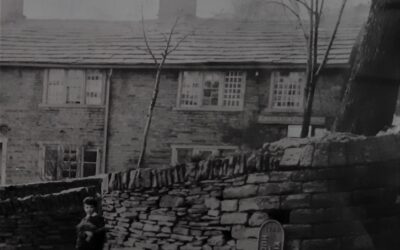
Kirkheaton Post Offices
The postal service in England was first opened to the public by Charles 1 in 1635. The modern postal system began with the...

Kirkheaton Bomber Pilot’s Final Flight
There are several Commonwealth War Graves in Kirkheaton Cemetery. One of them belongs to Flying Officer Cyril Ballard of the...
Index of Articles in Yetton News-Community Magazine
To access the articles below click here on YETTON NEWS then select the appropriate Issue then look for the article in the...
History Sources
Web based Huddersfield Exposed website-search for Kirkheaton. Old Ordnance survey maps also available to download Kirklees Image...

Kirkheaton Town Top Co-operative Society
In the Huddersfield Examiner report dated 10th May 1934, reporting the centenary of Kirkheaton Fieldhead co-op, the last...
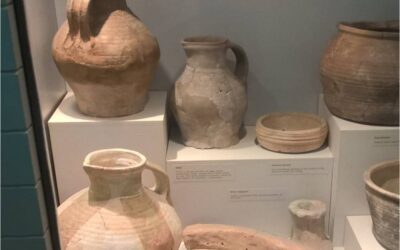
Upperheaton medieval pottery
The Potters of ‘Poter Heton’ (Upper Heaton) During the 13th and 14th centuries, a small-scale pottery industry was established...

Kirkheaton Fieldhead Co-operative Society
In the early part of the 19th century the local population had lived through dark times. The price of food and other necessities...
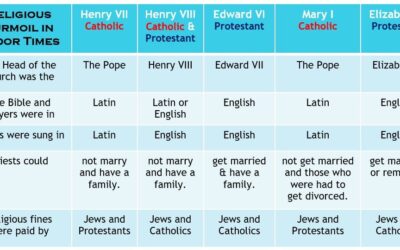
Kirkheaton Church-Religious turmoil in Tudor times
When Kirkheaton’s villagers woke up believing in one religion and went to bed following another Few people in Kirkheaton could...

