
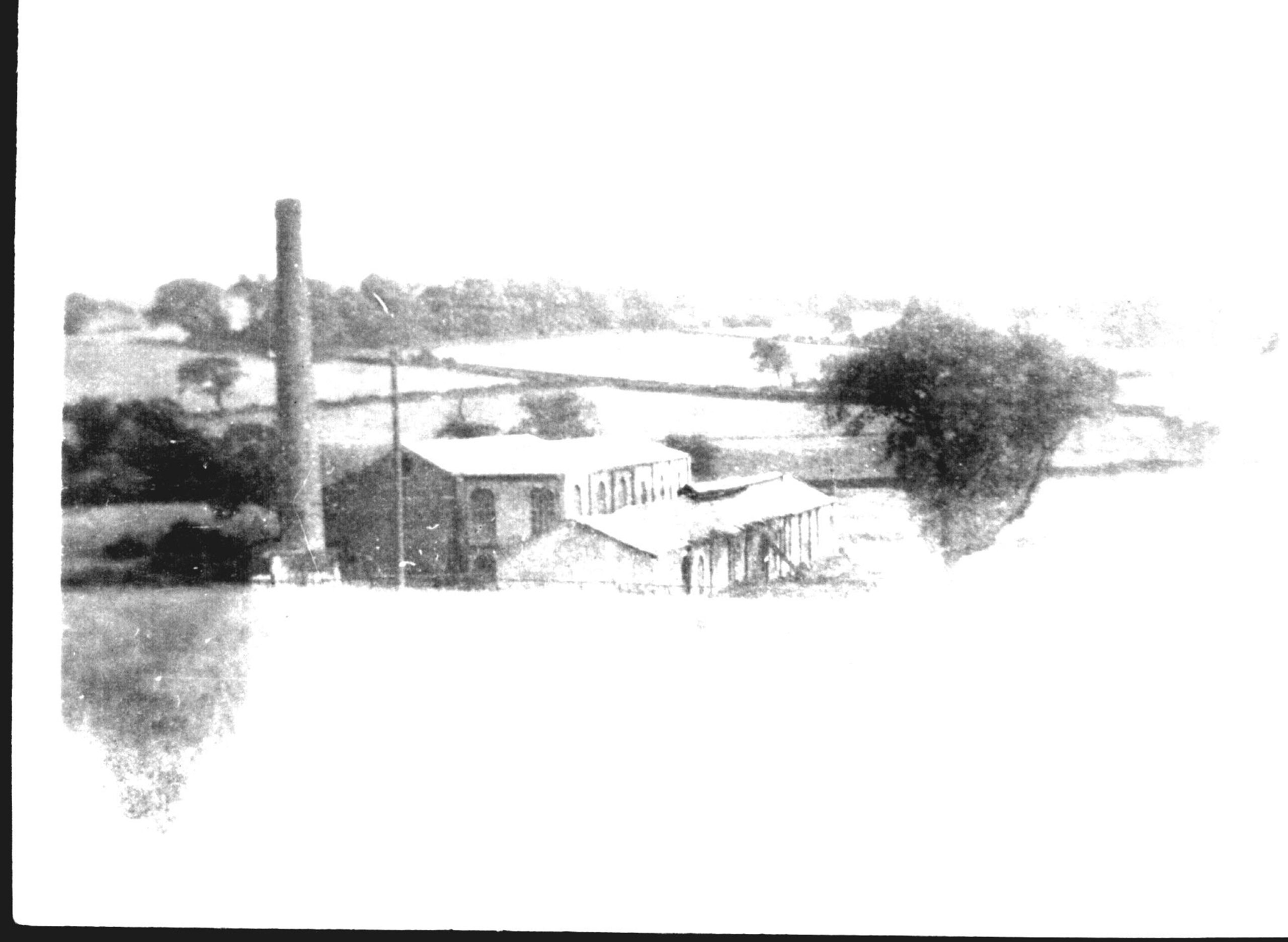
The first reference to John Dawson as owner of Kirkheaton Colour works is in 1889 [1] with reference to patents he took out along with Robert Hirsch who had been appointed a director in 1887.
Based on maps there is no indication of a factory in 1855 but later maps show the outline labelled as Dye works [1908] or Dyeworks[disused] from 1930 onwards. Strangely there is no indication of an access road but was probably accessed from the lane in front of the houses bordering Sheard’s dam.
It is listed by Historic England as Gawthorpe green Dyeworks ref. BF063149
Robert Hirsch was born in Danzig in 1856. He became a chemist and studied for his Phd in Strasbourg with one of the leading chemists of the day, Rudolph Fittig, graduating in 1871. In 1887 he was appointed director of Kirkheaton Colour works. Hirsch stayed in Huddersfield for a decade before returning to Berlin where he set up a soap factory. In 1913 his company was bankrupt, Hirsch was ruined and he took his own life.[2]
John Dawson was born at Longwood and in 1891 is recorded as a manufacturing chemist living at Eldon road, Greenhead with his family which included sons Arthur (23) and Harry (19) who were also manufacturing chemists. In 1894 there is a notice in the press recording the bankruptcy of John Dawson. The same year he set up a new business at Silver Street Moldgreen, registered as John Dawson and sons “aniline dye manufacturers”
[1] Fox M.R. Dyemakers of Great Britain 1856-1976; Imperial Chemical Industries PLC, March 1987
[2] Royal Society of Chemistry website.
